Continuity of operations (COOP) plans describe how a government keeps working when a building, a system, or its leadership is lost. A county has many of them, one for each department, and partner agencies have their own.
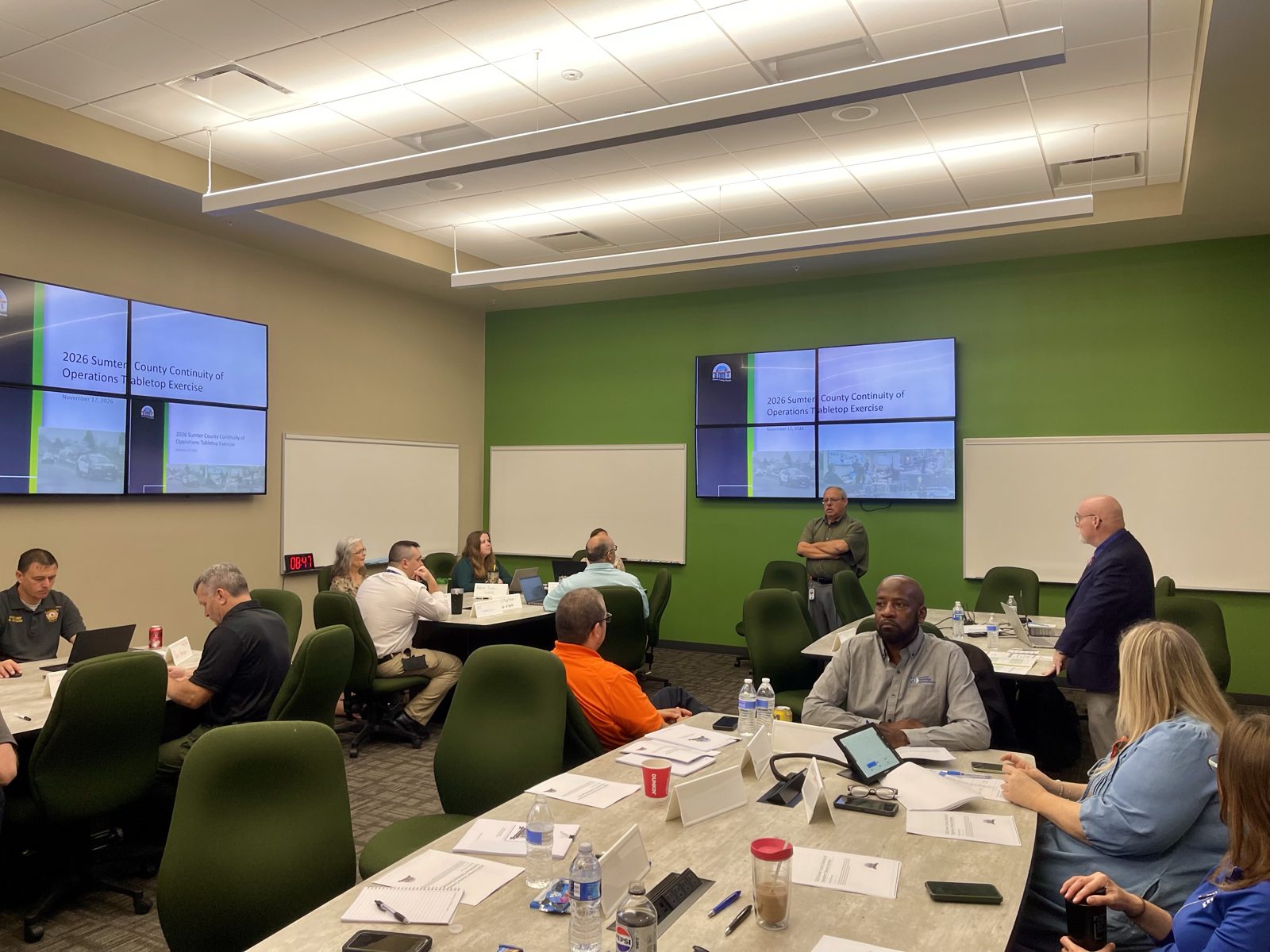
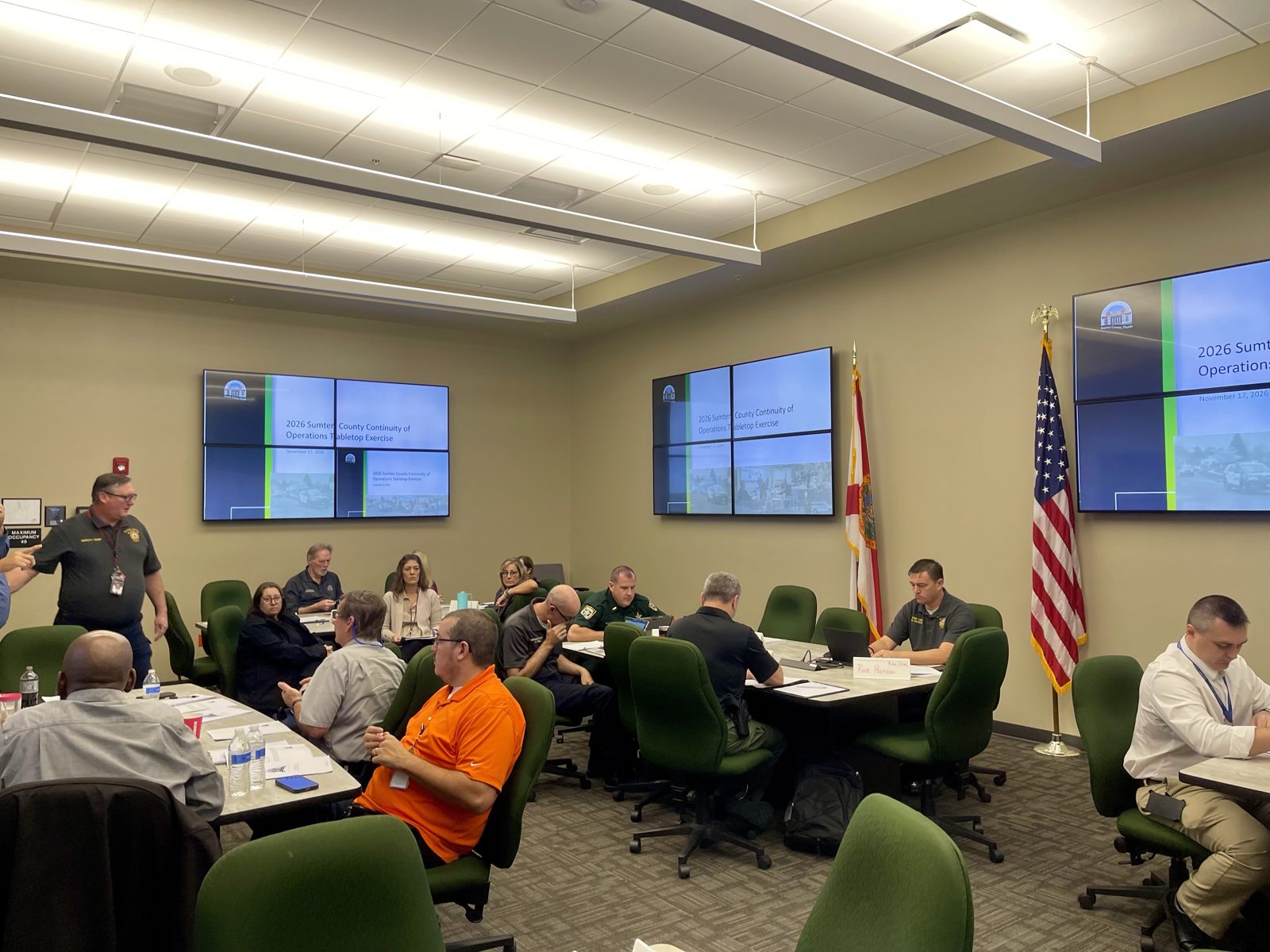
High Street recently supported Sumter County, Florida, which needed to exercise those plans together. Twenty-five participants from County departments, the Sheriff's Office, and the Florida Department of Health took part, with Citrus County Emergency Management observing. The work showed where continuity planning strains, and how much a short timeline helps.
Where continuity plans strain
Emergency managers who coordinate continuity planning will recognize these:
- Plans are written separately. Each department has its own author, format, and update cycle, so the plans are hard to compare.
- Plans share resources. Departments name alternate sites, successors, and systems independently, and several can end up relying on the same ones.
- Plans age. Staff turn over, offices move, and systems change between updates.
- Staff rarely practice them. People who have never worked through their plan have to learn it during the disruption.
- Coordination falls on a small office. Emergency management has to bring every department and partner together on top of its daily work.
- Exercises take a long time to build. Months of document development delay the test, and delay the fixes that follow it.
Synthesize the plans first
Before writing the scenario, we read every department's plan and entered the same four items from each into one table: essential functions, successors, alternate sites, and information technology needs.
With one row per department, reading down a column shows where plans depend on the same resource. In Sumter County, the alternate sites column showed several departments planning to relocate to the same locations.
That synthesis gave Emergency Management a single view of how the plans fit together, and gave the exercise a specific gap to test.
Train on the plans as they would be used
We built the scenario around what the synthesis showed. Four modules each put pressure on a different part of the plans:
- A multi-day loss of power and water tested which essential functions continue, and for how long.
- A fire that takes an administration building out of service forced activation and relocation, which is where shared alternate sites collide.
- A ransomware attack during relocation tested working without systems while already displaced.
- The County Administrator and Assistant County Administrator both unavailable tested succession and delegation of authority.
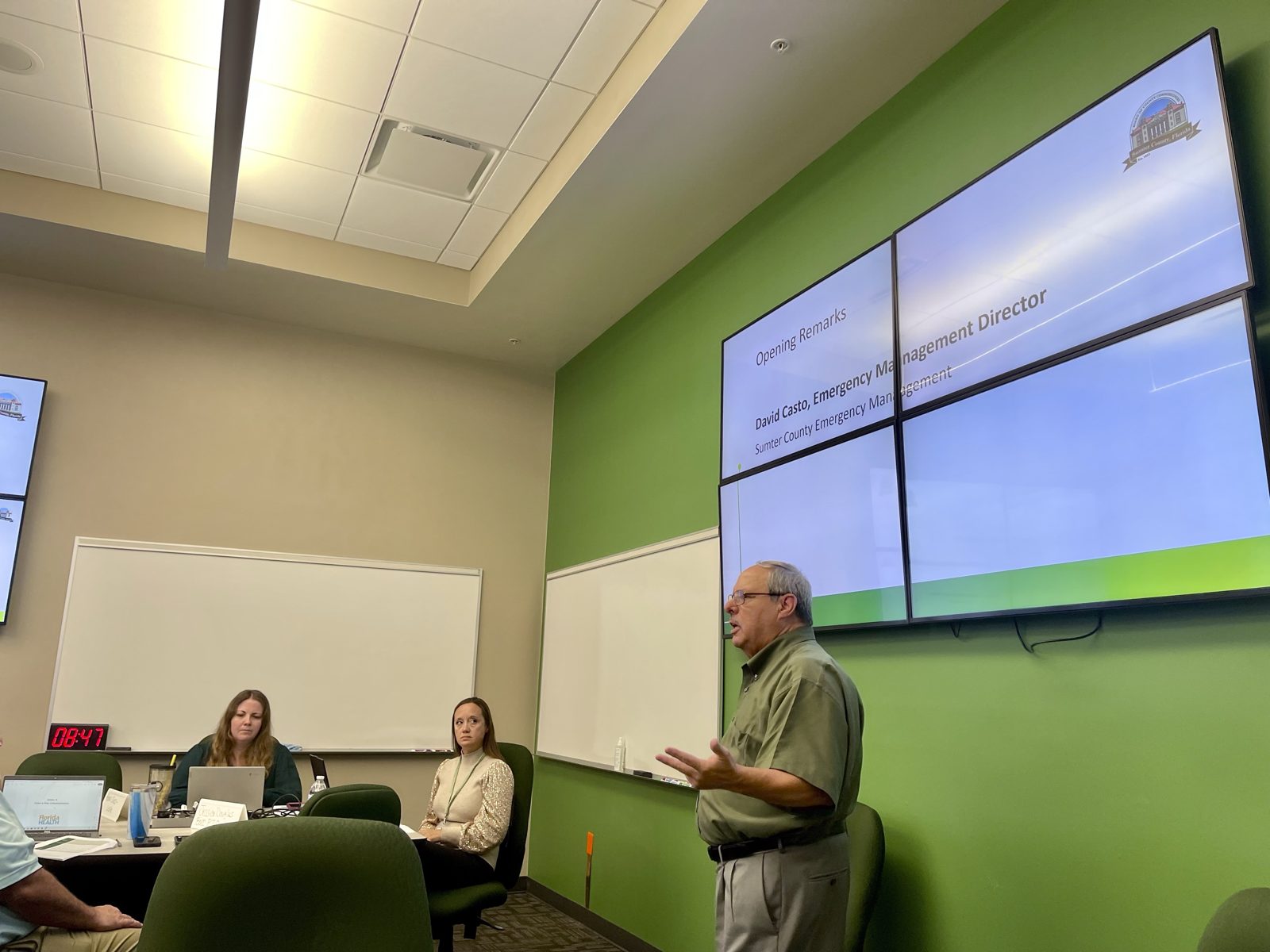
Departments worked from their own plans, alongside the other departments and partners they would depend on. The exercise was held at the County's backup Emergency Operations Center in Bushnell, and Emergency Management walked participants through the facility they would relocate to.
This is the training that carries over to a real incident. Staff have opened their plan, used it under pressure, and resolved conflicts with the people who share their sites and systems.
What a short timeline changes
The exercise took place about two and a half weeks after kickoff, with both planning meetings in between. A draft After-Action Report and Improvement Plan was ready for internal review within days of the exercise.
That pace has practical effects:
- The plans being tested are current. The synthesis is still accurate on exercise day.
- Participants stay engaged. Departments commit to a few weeks of preparation more readily than to several months.
- Findings arrive while the discussion is fresh. Each area for improvement is tied to a corrective action and an assigned owner, and departments can begin on them right away.
- Gaps close sooner. A conflict over an alternate site is resolved weeks after it is found.
Beehive, High Street's exercise platform, supported that pace by producing the scenario, exercise documents, and report structure. Our team reviewed and finalized each one, and spent its time on the plan synthesis, facilitation, evaluation, and recommendations.
Exercise your continuity plans together
If your jurisdiction has continuity plans that have not been compared or practiced together, a focused tabletop exercise is a practical place to start. Get in touch to talk through your plans and timeline, or read more about our continuity planning and tabletop exercise support.